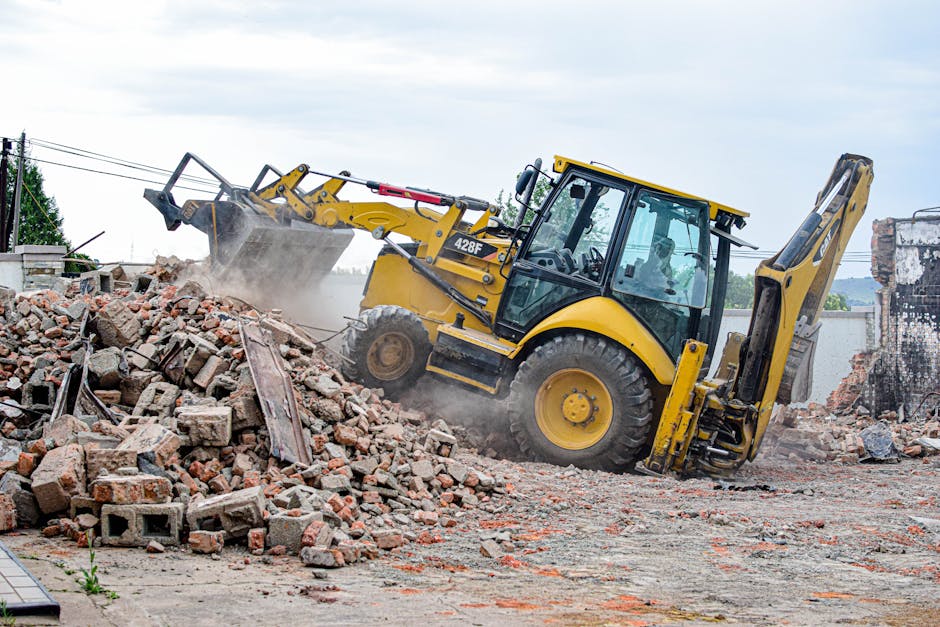
Common problems with builders waste clearance in Norbiton
Posted on 21/10/2026

If you are dealing with a renovation, refurbishment, extension, or a clear-out after building work, you will probably discover that builders waste clearance in Norbiton is never quite as simple as "load it up and take it away". The awkward bit is not just the waste itself. It is the timing, the access, the mix of materials, and the little surprises that show up once plaster comes down and the job gets messy. In Norbiton, where homes, side access routes, parking pressure, and busy local streets can all affect the job, common problems with builders waste clearance can slow everything down fast.
This guide breaks down what usually goes wrong, why it matters, and how to avoid the usual headaches. Whether you are a homeowner, landlord, tradesperson, or project manager, the aim is simple: help you get the clearance done safely, legally, and without the kind of last-minute stress that makes everyone sigh a bit too loudly.
- Why this matters in Norbiton
- How builders waste clearance works
- Key benefits of getting it right
- Who needs this service
- Step-by-step guidance
- Expert tips for better results
- Common mistakes to avoid
- Tools, resources and recommendations
- Law, compliance and best practice
- Options and comparison table
- Real-world example
- Practical checklist
- Conclusion
- Frequently asked questions
Why Common problems with builders waste clearance in Norbiton Matters
Builders waste is not ordinary household rubbish. It often includes heavy, awkward, dusty, sharp, and sometimes restricted materials. Think broken plasterboard, timber offcuts, rubble, tiles, metal, packaging, old kitchen units, damaged fixtures, and the odd mystery bag that nobody wants to open. In a place like Norbiton, where properties can be tight to the pavement and parking can be a little bit of a dance, those problems show up quickly.
The main issue is that waste clearance affects the flow of the entire project. If rubbish piles up, trades can lose working space, access routes get blocked, and the job becomes slower and less safe. If waste is not sorted properly, you may face extra charges or need a second collection. And if the clearance is arranged badly, you can end up with a skip sitting there longer than expected or a van turning up when nobody can get in. Not ideal.
There is also the compliance side. Construction waste needs to be handled sensibly, and you want a provider that understands local collection logistics and disposal best practice. A proper approach saves time, avoids fly-tipping risks, and helps make sure materials are dealt with in the right stream, including recycling where possible. If you are planning wider property work, it can help to read the company's services overview alongside its approach to waste carrier licence and compliance.
In short: the problem is rarely "just rubbish". It is usually space, timing, sorting, and legal handling all colliding at once.
How Common problems with builders waste clearance in Norbiton Works
To understand the problems, it helps to understand the usual process. Builders waste clearance is normally arranged after a quote or site assessment. The provider estimates the volume, checks the type of waste, and decides what access and labour will be needed. On the day, the team arrives, loads the materials by hand or with equipment, separates what can be recycled, and takes it for proper disposal.
That sounds straightforward. It rarely is.
In practice, the process can be affected by a handful of local and practical realities:
- Access constraints: narrow driveways, limited front access, shared entrances, stairs, or basement work can make loading slower.
- Parking pressure: if the team cannot park close enough, the collection takes longer and costs can rise.
- Unclear waste mix: builders waste often contains a mix of inert waste, timber, plastics, metal, and sometimes items that need special handling.
- Weight surprises: rubble and tiles are much heavier than they look. A few bags can weigh far more than expected.
- Timing mismatch: if the clearance is booked before the build is finished, more waste may appear after the collection.
A real-world example: a small bathroom renovation can look like a "single load" job, but once old tiles, plasterboard, a suite, packaging, and broken fixings are all pulled out, the waste volume can double. That is where people get caught out. To be fair, it is an easy mistake to make.
For projects that produce a broader mix of waste, it can also be useful to compare builders clearance with other services such as domestic waste collection in Kingston or, where suitable, commercial waste removal in Kingston. Different jobs need different handling, and using the wrong type of service is one of the quieter ways delays happen.
Key Benefits and Practical Advantages
When builders waste clearance is organised properly, the benefits are immediate and practical. The site feels calmer, work can continue without obstruction, and nobody has to keep stepping around a growing pile of rubble like it is part of the decor.
Here is what good clearance usually gives you:
- Safer working conditions: fewer trip hazards, fewer sharp edges, and less clutter around tools and materials.
- Better project flow: trades can move around more freely, which keeps the job moving.
- Less stress: you are not left chasing a collection date while the mess gets worse.
- Cleaner handover: once the heavy waste is gone, it is much easier to inspect the finished work properly.
- More accurate disposal: materials can be sorted into the right channels, which supports recycling and responsible disposal.
There is also a less obvious benefit: clearer budgeting. When the waste is dealt with early and properly, you reduce the chance of last-minute add-ons. Nobody loves surprises on a project invoice. Nobody.
If cost planning matters, it is worth looking at the provider's pricing and quotes information before you book. That makes it easier to understand how volume, labour, access, and waste type may affect the final figure.
Who This Is For and When It Makes Sense
Builders waste clearance in Norbiton is not just for major construction sites. In fact, some of the messiest jobs are the smaller ones. A one-room renovation can create more awkward waste than people expect because there is less space to stage it.
This service is usually a sensible fit for:
- Homeowners doing kitchen, bathroom, loft, or extension work
- Landlords preparing a property after refurbishment
- Local tradespeople who need a reliable clearance partner
- Property managers dealing with renovation debris in occupied buildings
- DIYers who have taken on a project and suddenly realised the waste is bigger than the ambition
It makes sense when:
- the waste is too bulky for normal council bins
- you need a fast turnaround
- you do not have room for a skip
- you want the waste removed from inside the property, not just left outside
- you need help sorting mixed materials responsibly
For some readers, the real question is not "Do I need clearance?" but "Do I need it now, or can it wait?" If the mess is blocking access, creating dust, or interfering with other trades, waiting usually costs more in the end.
Step-by-Step Guidance
Here is a practical way to handle builders waste clearance without the usual drama. Nothing fancy. Just a good sequence.
- List the waste clearly. Walk the site and note what is there: rubble, timber, plasterboard, metal, packaging, fixtures, fittings, or mixed bags.
- Estimate the volume. Use bags, piles, or room space as a rough guide. If in doubt, overestimate slightly rather than underestimating.
- Check access. Measure gates, stairways, parking distance, and any tight corners. This matters more than people think.
- Separate special items. Keep aside anything that may need separate handling, such as paint tins, chemicals, or electrical items.
- Choose the right clearance method. Decide whether a van load, manual carry-out, or a larger-scale removal is more suitable.
- Book at the right time. Aim for a slot that matches the build stage, not just the earliest available one.
- Prepare the route. Clear a path to the waste so the team can load efficiently and safely.
- Confirm what happens after collection. Ask how recycling and disposal are handled, especially if you want a cleaner environmental outcome.
One small but useful habit: take a few photos before booking. It helps everyone understand the real job, and it can save awkward back-and-forth later. Very dull advice, perhaps, but genuinely useful.
Expert Tips for Better Results
If you want a smoother clearance, a few habits make a big difference. These are the details that separate a tidy job from a frustrating one.
- Bundle waste by type where you can. Separate rubble from timber, and keep metal out of mixed bags if practical. It speeds things up and can help with recycling.
- Do not overload bags. Heavy bags are harder to move and can tear. That is one of those small mistakes that turns into a bigger faff.
- Leave clear lifting space. If the team cannot lift safely, the job slows down. Clear routes matter more than people expect.
- Plan for "extra" waste. Renovations always seem to produce one more pile than expected. Always.
- Be honest about access. A slightly awkward driveway is not a problem if the team knows in advance.
- Ask about insurance and safety. Reputable operators should be able to explain how they manage risk on site. You can review a provider's insurance and safety approach before making a decision.
A useful mental rule: the more awkward the access, the more important the planning. That is just how it is. And if the waste includes bulky furniture or old fixtures as part of a larger refurb, separate services such as furniture removal in Kingston upon Thames may be relevant too.

Common Mistakes to Avoid
This is where many people get caught out. Most issues are not dramatic on their own, but together they create delays, extra costs, and a bit of unnecessary irritation.
- Underestimating the amount of waste: a half-finished kitchen can look manageable until the cabinets, tiles, and packaging are all on the floor.
- Mixing restricted items into general waste: some materials need separate handling, so do not assume everything can go in one pile.
- Booking too early: if the builder is still stripping out materials, you may end up paying for a second clearance.
- Ignoring access issues: if a van cannot get close, time and labour go up.
- Not asking about disposal route: good practice matters, especially when you want recycling where possible.
- Leaving sharp debris loose: broken glass, nails, and screws can cause injuries and punctures. Easy to miss, painful if ignored.
Another common one: assuming all clearance firms work the same way. They do not. Some are better for mixed renovation waste, others are better for bulk domestic items, and some are better suited to commercial projects. It is worth checking the fit before you book.
Tools, Resources and Recommendations
You do not need a warehouse full of specialist equipment to manage builders waste well. A few basic tools and simple habits go a long way.
| Tool or resource | What it helps with | Why it matters |
|---|---|---|
| Heavy-duty rubble sacks | Collecting loose debris | Reduces mess and makes loading safer |
| Gloves and dust masks | Basic personal protection | Helps with sharp edges and dust |
| Trolley or sack truck | Moving heavier items | Saves effort and reduces lifting strain |
| Photos of the waste area | Quoting and planning | Makes the job easier to assess accurately |
| Project notes | Tracking what is being removed | Useful when the site has several waste types |
For readers comparing removal options, the provider's broader builders waste removal in Kingston information can be a helpful starting point. If the project is bigger or includes mixed non-building waste, the services overview can also help you decide what fits best.
One quietly useful recommendation: keep a simple waste log during bigger refurbishments. It does not need to be fancy. Just a note on what went out, when, and in what condition. It sounds a bit nerdy, but on larger jobs it saves time and confusion later.
Law, Compliance, Standards, or Best Practice
Builders waste clearance involves more than moving rubbish from A to B. In the UK, it should be handled by a carrier who operates lawfully, disposes of waste correctly, and follows sensible environmental and safety practice. You do not need to become a compliance expert yourself, but you should know the basics.
Good practice usually means:
- using a waste carrier that can explain its registration or compliance position
- making sure waste is taken to an appropriate facility
- keeping materials separate where possible for recycling
- avoiding fly-tipping risk by using legitimate disposal routes
- ensuring site handling does not put workers or the public at unnecessary risk
It is also sensible to understand how the provider works with waste categories. Some materials are more straightforward than others, and mixed construction waste can include items that need extra care. A clear explanation from the operator is a good sign. You can also review the company's stated approach to recycling and sustainability if reducing waste to landfill matters to your project.
Another practical point: if skips, permits, or roadside placement are being considered instead of direct clearance, make sure you understand any local restrictions before committing. That avoids the classic "Oh, we didn't realise" moment, which is never a fun one.
Options, Methods, or Comparison Table
There is no single best way to remove builders waste. The right option depends on space, speed, volume, and how much labour you want to handle yourself. Here is a simple comparison.
| Method | Best for | Pros | Possible drawbacks |
|---|---|---|---|
| Direct waste clearance | Fast removal from inside or outside the property | No skip on the road, less site clutter, quick turnaround | Needs accurate volume estimate and good access |
| Skip hire | Larger projects with enough space for a skip | Good for ongoing waste during a longer project | Can require space and sometimes permits |
| DIY trips to a disposal site | Small amounts and very organised projects | Flexible if you have the vehicle and time | Time-consuming, physically demanding, and not always practical |
| Mixed service handling multiple waste types | Projects with building waste plus household or bulky items | More convenient when several clear-outs happen together | Needs careful sorting and planning |
For many Norbiton properties, direct clearance is the cleanest choice when access is tight or the job needs to be done quickly. If the project is more drawn out, a skip may still make sense. The key is matching the method to the site, not the other way round.
Case Study or Real-World Example
Consider a typical Norbiton refurbishment: a small rear extension, a kitchen strip-out, and a bit of plaster repair. On paper, the waste looks manageable. In reality, once the old units are removed, the plasterboard is broken down, packaging builds up, and the rubble bags start stacking beside the back door, things feel tighter by the hour.
In a situation like this, the most common problems are usually access and timing. The team may need to carry waste through a narrow side passage, which slows loading. If the clearance is booked before the final strip-out is complete, another load appears two days later. Then the budget gets stretched and the site stays cluttered longer than expected.
A better approach is to:
- walk the site before booking
- estimate waste by room and material type
- clear the route from the back of the property to the collection point
- separate rubble from lighter waste where possible
- schedule the removal after the heaviest strip-out stage is finished
The result is usually smoother, quicker, and less stressful. Not magical, just sensible. And that is often the difference between a job that feels under control and one that feels like it is running the household.
Practical Checklist
Use this checklist before arranging builders waste clearance in Norbiton. It is simple, but it catches most problems before they turn into delays.
- Have I identified all waste types on site?
- Do I know roughly how much waste there is?
- Is the access route clear and safe?
- Are there any restricted or awkward items that need separate handling?
- Have I checked whether the clearance should happen after the final strip-out?
- Do I need recycling-focused handling for part of the load?
- Have I confirmed how the waste provider manages compliance and safety?
- Do I need a broader service for other items as well?
- Have I allowed for a little extra volume, just in case?
- Do I have photos ready if I need to request a quote?
If you can tick most of those off, the job is usually on much firmer ground.
Get a free quote today and see how much you can save.
Conclusion
The common problems with builders waste clearance in Norbiton usually come down to a few predictable things: poor access, underestimated volume, mixed waste, timing issues, and unclear disposal expectations. None of these are dramatic on their own, but together they can slow a project down and create avoidable cost.
The good news is that most of it is manageable with a bit of planning and the right type of service. If you assess the waste properly, allow for access issues, and choose a provider that handles disposal responsibly, the whole process becomes much easier. Less clutter. Less stress. Better flow.
And honestly, once the last bag is gone and the site opens up again, the space can feel larger and calmer straight away. That is a good feeling.