House clearances Kingston Hill estates before and after
Posted on 15/05/2026
House clearances Kingston Hill estates before and after: what really changes, and how to plan it properly
If you have ever walked into a property on Kingston Hill and seen it packed from hallway to loft, you will know the feeling: where do you even start? A clearance can look overwhelming at first, especially in larger estate homes where years of furniture, paperwork, appliances, and garden items have built up quietly in the background. That is exactly why people search for House clearances Kingston Hill estates before and after examples. They want to understand what changes, what the process feels like, and what a successful clearance actually looks like once the dust settles.
This guide breaks that down in plain English. You will see how a house clearance on Kingston Hill usually works, why the before-and-after comparison matters, what to expect from a professional team, and how to avoid the little mistakes that turn an already stressful job into a longer one. If you are clearing a family home, preparing a property for sale, or just reclaiming space after years of accumulation, this article gives you the practical view. No fluff, no nonsense.
And yes, the transformation can be surprisingly dramatic. One minute it feels like a maze of old wardrobes, broken chairs and half-forgotten boxes. The next, it is an open, usable space again. That shift matters more than people think.
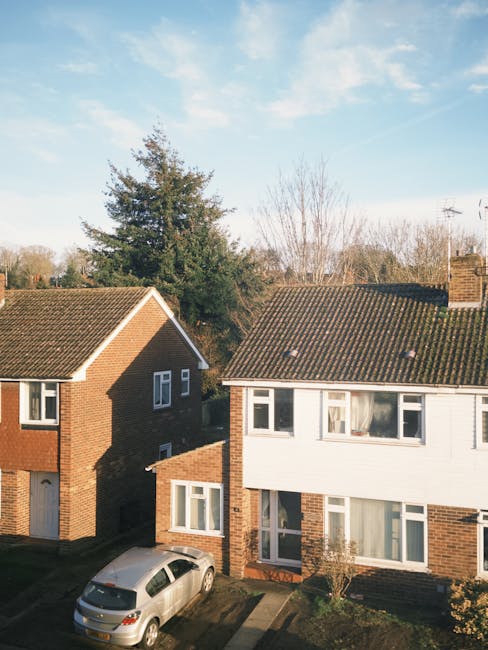
Why House clearances Kingston Hill estates before and after Matters
The before-and-after angle is not just for dramatic photos, though to be fair those can be satisfying. It matters because a house clearance is rarely just about removing items. It is about changing how a property functions, how quickly it can be sold or let, how safely people can move through it, and how emotionally manageable the process feels for the people involved.
Kingston Hill estates often include sizeable family homes, multi-room layouts, garages, sheds, and loft spaces. That means the volume can be substantial. When you see the before, you are usually looking at a layered picture: furniture that cannot simply be carried out in one go, mixed waste, sentimental belongings, appliances, outdoor clutter, and sometimes items that need careful sorting. The after should not just be "empty". It should be organised, swept through, and ready for the next stage, whether that is decorating, valuation, or sale.
There is also a practical local angle. In an area like Kingston Hill, presentation matters. Buyers, landlords, and even family members handling probate often need a property to feel calm and manageable rather than overloaded. A properly handled clearance supports that outcome. It can also reduce stress when people are already juggling the property market, moving logistics, or a difficult family transition. If you are also thinking about what happens after the clearance, our Kingston property market guide is a helpful companion read.
One small but important point: the before-and-after view helps people plan time and cost more realistically. A home that looks "cluttered" in one room may actually be hiding a much larger sorting job upstairs or in the garden. Seen properly, it is easier to quote properly. That is where clear communication saves everyone a headache.
How House clearances Kingston Hill estates before and after Works
A good house clearance follows a fairly simple pattern, even if the property itself is complicated. The work usually starts with assessment. Someone looks at the rooms, access points, stairways, parking, heavy items, and anything that needs specialist handling. Then the clearance is planned around what stays, what goes, and what needs separate treatment.
For estate homes on Kingston Hill, that planning stage matters more than people expect. You may need to account for bulky furniture, wardrobes fixed into awkward corners, white goods, fragile items, old paperwork, garden waste, or a garage full of mixed bits and pieces. A professional clearance team will usually try to separate reusable items, recyclable material, and true waste as early as possible. That keeps the job tidier and often more efficient.
During the clearance, items are removed room by room or zone by zone. In many cases, the team will prioritise heavy objects first so the property becomes safer to move through. Once the main removal is done, a basic sweep-through is usually carried out so the space is left presentable. The exact level of finish depends on the service agreed, but the general aim is to leave the property ready for the next step rather than simply stripped bare.
The before-and-after shift is especially noticeable in estate properties because scale changes perception. A room packed with old furniture can feel smaller than it really is. When cleared, natural light comes back, surfaces are visible again, and the home feels different. Bigger. Easier. Less emotionally noisy, if that makes sense.
If you want to understand the broader service structure behind this kind of work, the house clearance service in Kingston page is a useful place to start, and the services overview gives a wider picture of related removals.
Key Benefits and Practical Advantages
The obvious benefit is space. But that is only the surface. A well-managed clearance on Kingston Hill estates can make a property safer, faster to market, easier to clean, and less emotionally draining for everyone involved.
- Better first impression: Empty or well-cleared rooms photograph more clearly and feel easier to assess.
- Reduced hazards: Loose items, unstable stacks, and blocked walkways are removed.
- Faster next steps: Decorating, repairs, valuation, and sale preparation all become simpler.
- Less personal strain: Sorting through a full household can be exhausting; a structured clearance helps.
- Improved sorting and disposal: Furniture, appliances, and mixed waste can be handled more appropriately.
There is another advantage that gets overlooked: decision fatigue goes down. When a house is full, every room creates dozens of tiny choices. Keep this? Move that? Store it? Sell it? Dump it? A professional clearance process creates structure, and structure is calming. Sounds small, but it really does help.
For homes with a mix of furniture and appliances, separate services can also be useful. For example, our furniture removal in Kingston upon Thames and white goods and appliance disposal pages explain how heavier household items are often managed in practice.
If you are aiming for a lower-waste approach, the recycling and sustainability page is worth reading too. It is not about sounding virtuous; it is about doing the sensible thing with items that still have use or material value.
Who This Is For and When It Makes Sense
House clearance on Kingston Hill is rarely a one-size-fits-all job. Different people need it for different reasons, and the reason often determines the pace and style of the work.
You may need this service if you are:
- preparing a family home for sale
- dealing with probate or the clearance of a relative's property
- downsizing from a larger estate home to a smaller place
- emptying a rental property between tenancies
- making space for refurbishment or renovation
- clearing a long-untouched loft, garage, or outbuilding
In practical terms, it makes sense when the job is too large, too time-consuming, or too physically awkward to do alone. That last bit matters. A lot of people start with good intentions and then hit the realities of stairs, heavy wardrobes, dust, bags, and nowhere to put sorted items. By day two, the kitchen is full of moving boxes and everyone is fed up. Happens all the time.
It is also worth considering clearance if the property is near a deadline, such as viewings, a completion date, or a repair schedule. The closer you are to a deadline, the more useful a tidy before-and-after transformation becomes. That can be the difference between a property feeling neglected and feeling ready.
For readers exploring Kingston as a place to buy, move into, or hold property, the article buying property in Kingston: a smart guide gives good context on local decision-making. And if you are new to the wider area, residing in Kingston offers a more grounded local perspective.
Step-by-Step Guidance
If you want a smooth clearance, the process should feel controlled, not chaotic. Here is the practical version.
- Walk the property properly. Check every room, loft, shed, cupboard, and outdoor area. It is surprising how often the real work lives in the "forgotten" spaces.
- Separate what must stay. Identify documents, sentimental items, keys, medications, and anything legally or personally important before removal begins.
- Flag special items. Heavy furniture, appliances, fragile pieces, and anything requiring careful handling should be noted in advance.
- Decide on the level of clearance. Full house clearance? Partial clearance? Selected rooms only? Be specific, because vague instructions tend to create mess later.
- Check access. Driveway access, parking, narrow hallways, shared entrances, or upper-floor flats all affect the job.
- Get the quote in writing. The clearer the quote, the fewer unpleasant surprises.
- Prepare the day before. Put aside essentials, make access easy, and remove anything you do not want touched.
- Inspect the finish. After the clearance, walk the property again and check that agreed areas are complete.
The biggest mistake is rushing the preparation stage. People often think the clearance itself is the main event. In reality, the clarity you create beforehand decides how smooth the rest feels. A tidy plan saves a messy afternoon.
And if you want to understand pricing in a bit more detail before booking anything, the pricing and quotes page is useful for setting expectations without overcomplicating things.
Expert Tips for Better Results
There are a few things that consistently improve results on estate clearances around Kingston Hill. None of them are glamorous, but they make a real difference.
- Photograph key rooms before work starts. It helps with planning, records, and peace of mind.
- Label keepers clearly. Use separate areas or labels for "keep", "donate", "review later", and "remove".
- Make decisions on paper first. A simple list often prevents repeated back-and-forth in the property.
- Think in zones. Ground floor, upstairs, loft, garden, garage. Clear zones are easier to manage than one giant blob of stuff.
- Ask about separate item handling. Not every item should be treated the same way, especially large appliances or mixed materials.
Here is a very human tip, from the sort of job where everyone is tired by 3pm: have tea ready. Not because it is an official rule, obviously, but because long clearance days can be emotionally and physically draining. A pause, a drink, a bit of breathing room. That helps.
If a clearance involves heavier or awkward items, it is sensible to look at safety and insured handling. The insurance and safety page explains the kind of reassurance people usually want before anyone starts lifting wardrobes down stairs.
For a broader look at how a reliable team should operate, the about us page can help you judge whether the service feels like the right fit. Trust matters. Not in a flashy way, just in the ordinary do-the-job-well way.

Common Mistakes to Avoid
The biggest problems in house clearances tend to be predictable. The good news is that most are avoidable if you slow down a little at the start.
- Leaving important items unmarked: If it matters, separate it early.
- Assuming everything is rubbish: Some items can be reused, sold, donated, or recycled.
- Underestimating access issues: Parking, staircases, and shared entrances can change the whole plan.
- Not checking the scope: A partial clearance and a full clearance are not the same thing, even if they sound close.
- Ignoring white goods and special items: Fridges, freezers, washers and similar items often need separate handling.
Another common issue is emotional drift. You begin with a clear purpose, then open a drawer, find old photos, and suddenly the job pauses for an hour. Completely normal. But if the goal is to finish the clearance, decide in advance which items will be reviewed later rather than on the spot.
Sometimes the problem is simply trying to do too much in one visit. On a larger estate property, that can backfire. Two shorter, better-planned sessions may be far more effective than one long day where everyone is exhausted and tempers start to fray a bit. Truth be told, that happens more than people admit.
Tools, Resources and Recommendations
You do not need a warehouse of equipment to manage a clearance well, but a few tools make the process smoother.
- Heavy-duty bags and boxes: Useful for sorting loose items, papers, and smaller contents.
- Labels or marker pens: Essential for keep, remove, store, and review piles.
- Gloves and basic cleaning supplies: Helpful for dusty lofts, sheds, and garages.
- Tape measure: Useful if items are being moved out for storage or replacement.
- Phone camera: Good for records, planning, and showing room conditions before and after.
For larger or more complex clearances, it is often better to work with a team that handles a range of related jobs. A household clearance might also involve some domestic waste, garden waste, or bulky furniture removal. If so, the following pages can help you understand the connected services:
- domestic waste collection in Kingston
- garden waste removal
- builders waste removal if the clearance is tied to renovation work
One small recommendation that saves time: keep a "do not remove" area physically separate from everything else. Not just in theory. A visible corner, room, or labelled section. That one move stops a surprising number of errors.
Law, Compliance, Standards, or Best Practice
For house clearances, compliance is mostly about sensible handling, traceability, and using a service that follows recognised waste practices. You do not need to become an expert overnight, but you should know the basics.
In the UK, household items, mixed waste, electrical appliances, and reusable goods should be managed carefully and responsibly. If a company removes waste on your behalf, it should be operating with appropriate waste carrier compliance and follow proper disposal routes. That is one reason people check the waste carrier licence and compliance information before booking. It is not box-ticking. It is common sense.
Good practice also includes:
- keeping clear records where needed for probate, sale, or landlord handover
- sorting items that may be reused or recycled where practical
- handling sharp, heavy, or breakable items safely
- being careful with anything personal, confidential, or sensitive
- avoiding fly-tipping risk by using a legitimate clearance provider
We should say this plainly: if a quote is suspiciously cheap and the service avoids explaining where waste goes, that is a red flag. Maybe not a dramatic one, but enough to pause. A proper provider should be transparent enough to make you feel comfortable.
For payment clarity, it also helps to review the payment and security information so there are no awkward surprises on the day. Nobody wants that. Nobody.
Options, Methods, or Comparison Table
There are usually three main ways people approach a house clearance on Kingston Hill estates. Each has a place, depending on time, budget, and emotional bandwidth.
| Method | Best for | Pros | Watch out for |
|---|---|---|---|
| Do it yourself | Small, straightforward clearances | More control, possible cost savings | Time-consuming, physical strain, disposal logistics |
| Mixed approach | Homes where some items stay and some go | Flexible, can reduce the amount removed | Requires clear sorting and good planning |
| Professional house clearance | Large estates, tight deadlines, difficult access, probate or sale prep | Fast, structured, less stress, better handling of bulky items | Needs a trustworthy provider and clear scope |
For larger estate properties, the professional route usually wins on practicality. That is not because people cannot do it themselves. It is because the hidden cost of time, energy, and multiple trips is often bigger than expected. The van is never as empty as you think, is it?
If you are deciding between clearance and a lighter removal job, the differences between domestic waste collection and full clearance can be worth comparing before you commit.
Case Study or Real-World Example
Imagine a Kingston Hill estate property that has been occupied for many years. The front reception room has old sofas and framed pictures, one bedroom has stacked boxes and spare bedding, the loft is full of seasonal items, and the garage holds a mixture of broken furniture, garden tools, and a long-unopened pile of odds and ends. The family wants the property ready for marketing, but they also need to keep a few sentimental items and important paperwork.
Before: The rooms feel crowded. It is hard to see the floor in places. Access is awkward, and the family does not know where the real volume of waste begins.
During: The team walks through room by room, separating keepers from items to be removed. Large furniture comes out first, then mixed contents, then the garage and loft. The process is steady rather than frantic. That helps a lot.
After: The property feels noticeably larger and calmer. Surfaces are visible, pathways are clear, and the estate agent can walk through without dodging obstacles. The family still has decisions to make, but the home is no longer making those decisions for them. Small difference, big effect.
This is the sort of transformation people usually mean when they ask about house clearance before and after results. It is not just a photo opportunity. It is a practical reset.
Practical Checklist
Use this checklist before any clearance begins. It keeps things simple.
- Walk every room, including loft, garage, sheds, and garden storage
- Set aside documents, valuables, keys, and sentimental items
- Mark items that must not be removed
- Decide whether you need full or partial clearance
- Note any large, heavy, fragile, or electrical items
- Check access, parking, and any timing restrictions
- Confirm the quote and what it includes
- Ask how reusable items and recyclable material are handled
- Prepare the property so the team can start quickly
- Inspect the rooms after completion and check the agreed scope
Quick takeaway: the better the preparation, the better the before-and-after result. Simple as that.
Conclusion
House clearances on Kingston Hill estates are about more than removing clutter. They are about turning a full, difficult property back into a usable space. The before-and-after difference can be practical, emotional, and financial all at once. A good clearance gives you breathing room, a clearer layout, and a cleaner path to the next stage, whether that is selling, letting, refurbishing, or simply moving on.
If you take one thing from this guide, let it be this: plan the clearance around the property, not the other way round. Know what stays, know what goes, and choose a provider that understands both the physical job and the human side of it. That combination is what makes the outcome feel genuinely sorted rather than merely emptied.
Get a free quote today and see how much you can save.
When a house finally changes from crowded to clear, there is a very specific kind of relief in it. Quiet, practical, and a bit underrated, honestly.