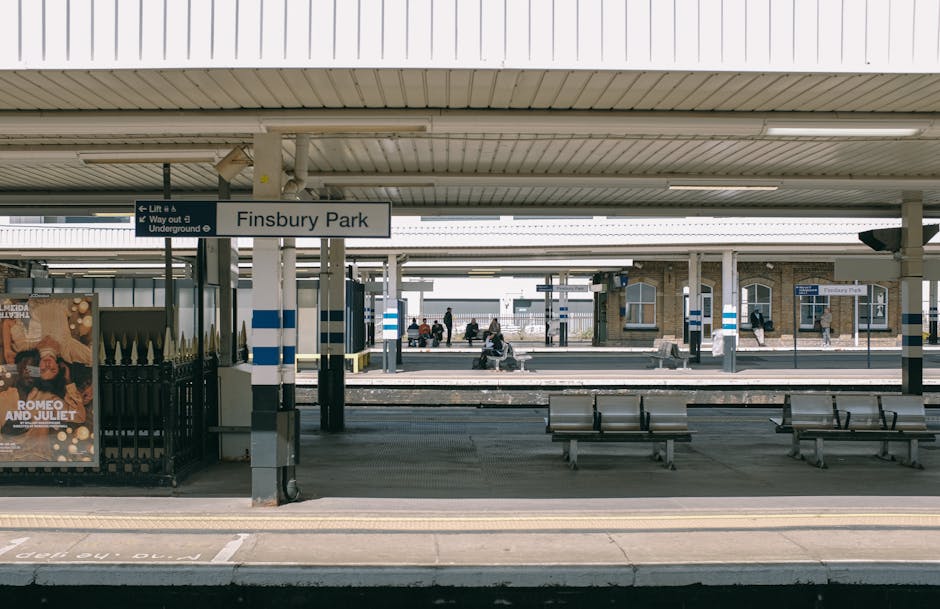
Rubbish removal Kingston Station area
Posted on 29/04/2026
Rubbish removal Kingston Station area: a practical guide for faster, safer clearances
If you are dealing with clutter near Kingston Station, you already know how quickly rubbish can become a problem. One box turns into three, a broken wardrobe sits in the hallway for a week, and suddenly the whole place feels harder to use. The good news is that rubbish removal in the Kingston Station area does not need to be complicated. With the right approach, you can clear domestic waste, old furniture, builder's debris, and unwanted odds and ends without losing a weekend to lifts, bins, and trips to the tip.
This guide explains how local rubbish removal works, who it suits, what to look out for, and how to avoid the usual headaches. It also points you towards useful resources such as the full services overview, pricing and quote guidance, and the company's waste carrier licence and compliance information so you can make a calm, informed choice.

Why rubbish removal in the Kingston Station area matters
Kingston Station sits in a busy, practical part of town. There are flats, terraces, shops, offices, student homes, and rental properties all close together. That mix is exactly why rubbish clearance matters so much here. Waste left in shared spaces becomes an annoyance fast. It blocks access, attracts complaints, and can make a property look poorly kept before anyone has even stepped inside.
There is also a time factor. If you are moving out, renovating, or preparing a flat for new tenants, rubbish can hold everything up. A pile of packaging, old carpet, or a damaged sofa can stop cleaning, decorators, or estate agents from doing their job. To be fair, most people do not notice how much waste they have until they are staring at it all at once. Then it feels bigger than the room.
For landlords and local businesses, the stakes are a little higher. A tidy entrance, cleared yard, or empty back office sends the right signal. It says the place is managed properly. That matters in a station area where footfall is steady and first impressions count. If you are comparing services for larger jobs, it can help to look at related options such as commercial waste removal in Kingston or builders waste removal in Kingston for more specific site needs.
Practical takeaway: in a busy local area like Kingston Station, rubbish removal is not just about getting rid of waste. It is about restoring space, reducing stress, and keeping homes or premises ready for use.
How rubbish removal in the Kingston Station area works
Most rubbish removal services follow a fairly simple process, though the details vary depending on the amount and type of waste. The usual flow is: you explain what needs removing, the provider gives an estimate, the team arrives, loads the waste, and takes it away for sorting, reuse, recycling, or disposal. Simple on paper. Slightly less simple when the waste is in a third-floor flat with a narrow staircase and a lift that seems to have opinions.
For local customers, the best services are usually the ones that keep the process flexible. That means they can handle small domestic clearances, one-off bulky items, and larger mixed loads without overcomplicating things. If you only have a few items, a smaller domestic collection may be enough. If the job includes furniture, appliances, or a full room clearance, you may need a broader service or a tailored quote. You can see the domestic option here: domestic waste collection in Kingston.
Reputable providers should also be clear about what happens to the waste after collection. Reuse and recycling are often possible for certain items, while other materials must go through regulated disposal routes. A company with a proper process will explain that in plain English instead of hiding behind jargon. If sustainability matters to you, their recycling and sustainability approach is worth reviewing early on.
What usually happens on the day
- You confirm access, item types, and any special handling needs.
- The team arrives within the agreed time window.
- Items are assessed, separated where needed, and loaded safely.
- The crew removes the rubbish and leaves the area swept or tidied as appropriate.
- Waste is transferred for reuse, recycling, or disposal in line with the provider's process.
In a busy area near the station, access can be the make-or-break issue. Parking, loading bays, and stair access all matter. Good communication before the visit prevents awkward delays on the day.
Key benefits and practical advantages
There are obvious benefits to removing rubbish quickly, but the less obvious ones are often the most valuable. You get back usable space. You reduce safety risks. You stop a small problem becoming a bigger one. And, perhaps most importantly, you stop thinking about it every time you walk past the pile.
- Faster turnaround: useful if you are moving, refurbishing, or renting a property out.
- Less physical strain: no need to lift heavy items down stairs or into a car.
- Better presentation: ideal for landlords, sellers, and small businesses.
- Safer surroundings: fewer trip hazards, less blocked access, less mess.
- Potential recycling value: some items can be diverted from landfill where suitable.
There is also a psychological benefit, and it is not small. A clear room feels different. Quieter, somehow. People often underestimate how much a messy corner affects how the whole place feels, especially in compact Kingston properties where every square metre matters.
If you are weighing options because you are buying or selling locally, it may also help to read a smart guide to buying property in Kingston and local property market insights. Both can give useful context on why presentation and timing often matter more than people expect.
Who this is for and when it makes sense
Rubbish removal near Kingston Station is useful for a wide mix of people. It is not only for big clear-outs. In fact, many requests are small but urgent: a broken bedframe, a few office desks, garden waste after a weekend project, or a landlord needing a fast reset between tenancies.
Typical situations where it makes sense
- You are moving out and need bulky items gone before handover.
- You have renovated a kitchen, bathroom, or one room and need waste removed.
- You are clearing an inherited property and want the process handled respectfully.
- You run a shop, studio, or office and need clutter removed without disrupting the day.
- You have old appliances, furniture, or garden waste that will not fit normal collection schedules.
For furniture-heavy jobs, a dedicated service can make life much easier. You can review furniture removal in Kingston upon Thames if sofas, wardrobes, beds, or office furniture are the main issue. For appliances, the right route is often white goods and appliance disposal in Kingston, especially if the item is too heavy or awkward to move safely yourself.
One practical point: if the waste is mixed and you are not sure what category it falls into, ask before booking. A quick clarification saves a lot of confusion later. It's a tiny step, but a useful one.
Step-by-step guidance
If you want the smoothest possible clearance, a bit of preparation goes a long way. You do not need to sort everything perfectly, but you do need to be realistic about access, volume, and item type. Here is a straightforward way to handle it.
1. Identify the waste you actually have
Walk through the property and list the items by room or area. Separate general rubbish from bulky items, appliances, and building debris. If you have garden cuttings, old soil bags, or fencing materials, note those too. The clearer your list, the better the estimate.
2. Decide what must go and what should stay
This sounds obvious, but it is where many people trip up. In a rush, it is easy to include useful items by mistake. Keep documents, chargers, keys, and personal keepsakes out of the clearance zone. In a house clearance situation, that extra pause really matters.
3. Check access before booking
Ask yourself: can a vehicle stop nearby? Is there a lift? Are there stairs? Is there a loading restriction? Near the station, access can be a little awkward depending on the street and time of day, so it is best to be upfront. No one likes a surprise traffic cone situation at the front door.
4. Ask about pricing structure
Some rubbish removal work is priced by load size, some by item type, and some by labour plus disposal. The important thing is to understand what is included. Make sure you know whether loading, sweeping, recycling handling, and VAT are covered. The provider's pricing and quotes page is a sensible place to start.
5. Confirm compliance and safety
Before anyone touches your waste, check that they are a legitimate operator. A proper waste carrier should be able to explain compliance, insurance, and handling practices. If you want a quick trust check, their about us page and insurance and safety information should help.
6. Prepare the items for collection
If possible, place waste in one accessible location. Flatten cardboard. Unplug appliances. Drain water from items if required. Remove loose objects from furniture. The easier you make the pickup, the smoother and quicker it tends to go.
7. Ask for post-clearance cleanup
Not every job needs a deep clean, but a basic sweep or tidy-up is often worth asking for. After all, what is the point of clearing a space if it still feels like a dumping ground?
Expert tips for better results
Over time, a few habits make rubbish removal easier and cheaper. None are dramatic. They are just the little things that stop a job becoming messy or overcomplicated.
- Book earlier in the week if timing matters. Local access is usually easier outside peak weekend pressure, though this depends on the area and schedule.
- Take photos before you enquire. A few clear images often help with accurate quotes, especially for mixed waste or bulky items.
- Separate hazardous or awkward items. Things like paint, chemicals, or certain electrical items may need special handling. Do not just throw them in with everything else.
- Measure large furniture. A wardrobe that looks manageable in a room may turn into a hallway nightmare on removal day. Truth be told, this happens more often than people think.
- Use the right service type. A general clearance is not always the best fit. Sometimes a furniture, appliance, or builders' waste service is cleaner and more efficient.
If your project involves renovation debris, look at builders waste removal in Kingston. If it is a garden reset after hedge trimming, turf removal, or an overgrown border, then garden waste removal in Kingston is usually the better match.
A small but useful tip: keep a running list of waste as the job progresses. By the time the final box is filled, your list is often more accurate than your memory. Memory, as we know, is not always the hero here.
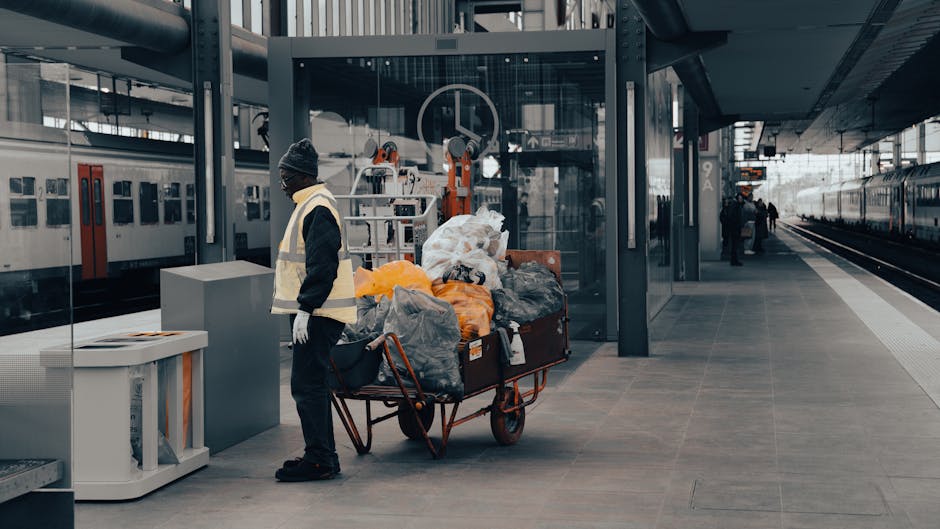
Common mistakes to avoid
Most rubbish removal problems are not caused by the waste itself. They come from bad planning or unclear communication. The good news is that these mistakes are easy to avoid once you know what to watch for.
1. Underestimating how much waste there is
A single room can generate far more rubbish than expected, especially during a move or refurbishment. Always allow a little buffer in your estimate.
2. Forgetting access issues
If the team cannot park safely or reach the property easily, the job takes longer. That can affect cost and timing. Be upfront about narrow roads, permits, stairs, or gated entry.
3. Mixing everything together
Some items are recyclable, some are not, and some need special treatment. A mixed load is not a problem in itself, but you should know what you have so the provider can process it properly.
4. Choosing a provider on price alone
Cheap is not always cheap, if you know what I mean. A suspiciously low quote may leave out labour, disposal, or proper handling. Always check what is included.
5. Ignoring compliance
Using an unlicensed waste operator can create issues if waste is fly-tipped or handled badly. That is not a situation anyone wants. Ask for proof of legitimacy and check the basics.
6. Leaving the booking too late
If you need same-day or next-day work, say so early. Near Kingston Station, tight schedules and busy roads can make last-minute removals harder to arrange.
Tools, resources and recommendations
You do not need specialist equipment for most jobs, but a few simple tools make preparation easier and safer. The aim is not to turn you into a clearance crew. Just to help you organise things well.
- Heavy-duty bin bags: useful for loose domestic waste and small general clear-outs.
- Marker labels or tape: helpful for tagging items to keep, donate, or remove.
- Measuring tape: useful for furniture, appliances, and access points.
- Camera phone: take clear photos for quotes and record what needs clearing.
- Gloves and sturdy shoes: basic but sensible if you are moving items before collection.
For more background on how the business approaches service, trust, and customer care, it is worth reading the services overview alongside the company's policies on payment and security. If you care about waste handling standards, recycling and sustainability is a particularly useful page to review.
And if you are simply trying to understand the wider local context, a lighter read like Kingston's suburban highlights can be a nice reminder of why keeping the area tidy matters. There is something about a clean street that makes the whole place feel more welcoming.
Law, compliance, standards and best practice
Rubbish removal is one of those services where trust matters more than people first assume. In the UK, waste must be handled responsibly, and customers should make sure the provider is legitimate, insured where appropriate, and clear about what happens to the waste. This is especially important if the job includes commercial waste, mixed loads, or anything that could be classed as controlled or specialist material.
A sensible minimum standard is simple: use a provider that can explain its waste carrier status, disposal routes, and safety procedures in plain language. If they cannot, that is a warning sign. You should also be comfortable asking how recycling is managed and whether certain items require separate handling. No drama needed, just clarity.
For householders, compliance usually means checking that items are not being left in the wrong place or passed to someone who cannot lawfully transport them. For businesses, there may be additional record-keeping or contract considerations. If you are clearing a shop, office, rental unit, or development site, it is worth looking carefully at commercial waste removal support as well as the provider's compliance page.
Best practice also includes basic safety: suitable lifting methods, sensible route planning, and care around doors, stairwells, and shared areas. In busy residential blocks, this matters a lot. One scuffed wall or blocked corridor can create a lot of friction very quickly.
Options, methods and comparison table
There is more than one way to clear rubbish near Kingston Station. The best choice depends on volume, item type, access, and how quickly you need the space back. Here is a simple comparison.
| Method | Best for | Pros | Limitations |
|---|---|---|---|
| General rubbish removal | Mixed household clutter, small clear-outs, one-off jobs | Flexible, convenient, usually quick | May not suit specialist waste |
| Bulky item collection | Sofas, beds, wardrobes, desks | Good for awkward lifting, saves time | May need access details and item list |
| Builders waste clearance | Renovation debris, packaging, rubble, timber | Handles heavier and dirtier materials | Not ideal for general household clutter |
| Garden waste collection | Cuttings, branches, turf, light outdoor waste | Clean way to finish outdoor work | Heavy soil and mixed waste may need review |
| House clearance | Whole-property or room-by-room clearances | Thorough, practical for larger jobs | Requires more planning and time |
If you are unsure which route fits, start with the broad service description and then move into the more specific page once you know what you are dealing with. That usually saves time and avoids a back-and-forth email chain that nobody enjoys.
Case study or real-world example
Picture a small flat just a short walk from Kingston Station. The tenant is moving out on Friday, the landlord wants the place ready for cleaning on Saturday morning, and there is a broken bed frame, two mismatched chairs, several bags of mixed waste, and a box of kitchen bits that somehow multiplied in the cupboard. Very normal, very familiar.
In that situation, the most efficient route is usually to sort the items into broad categories before collection: bulky furniture, general waste, and any appliances or special items. Photos are taken, access is checked, and the team arrives with enough space to handle the load in one visit if possible. The clearance itself is quick. The value is in the prep. Because the items were identified clearly, there is less hesitation on the day and fewer surprises at the door.
What changed most for the customer was not just the empty room. It was the timeline. Cleaning could start straight away. Keys were returned on time. Nobody had to wrestle a bed base down a stairwell at 7 p.m. in the rain, which, honestly, is a victory in itself.
That is the real pattern with rubbish removal in the Kingston Station area: a sensible bit of planning turns a stressful task into a manageable one.
Practical checklist
Use this before booking or on the morning of collection. It will save time, and likely a few headaches too.
- Have you listed everything that needs removing?
- Have you separated items to keep, donate, recycle, or dispose of?
- Have you checked stair access, parking, and lift availability?
- Have you taken photos for an accurate quote?
- Do you know whether any items need special handling?
- Have you confirmed the price structure and what is included?
- Have you checked the provider's waste carrier status and safety information?
- Have you moved personal items, documents, and valuables out of the way?
- Is the clearance area easy to reach on the day?
- Do you know what happens after collection, including recycling routes where relevant?
A final quick check: if the job includes furniture, appliances, or renovation waste, make sure you are looking at the right service page rather than a generic option. It sounds obvious, but it saves a lot of stress later.
Conclusion
Rubbish removal in the Kingston Station area is at its best when it feels straightforward, tidy, and predictable. Whether you are clearing a flat, dealing with builder's debris, removing old furniture, or preparing a business premises for reopening, the goal is the same: get the space back without hassle, hidden surprises, or safety worries.
The strongest results usually come from three things: clear information, a suitable service, and a provider that treats waste responsibly. If you keep those in mind, you will avoid most of the common pitfalls and make a much better decision for your home or business.
If you are ready to take the next step, explore the relevant service pages, check the compliance and safety details, and ask for a quote that reflects your actual needs. Small bit of effort now, much easier day later. And that is usually worth it.
Get a free quote today and see how much you can save.
And if all you do today is clear one corner, one cupboard, one awkward pile by the wall, that still counts. Momentum starts quietly.